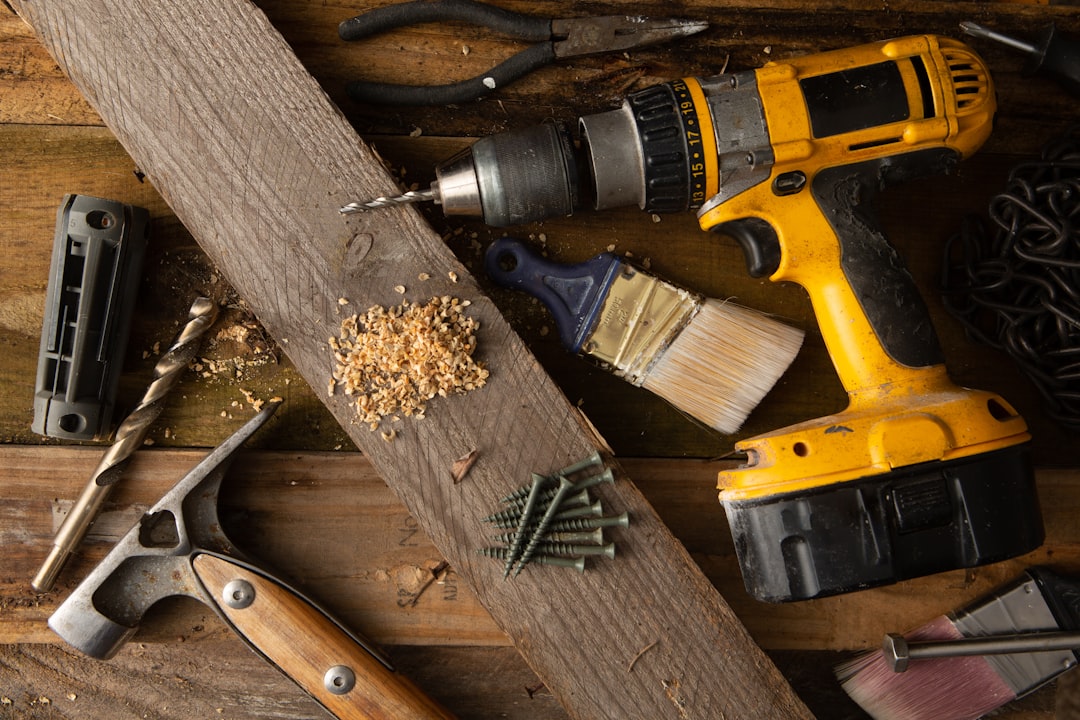
18V Cordless Drill Buying Guide: What to Look For
- Torque beats voltage marketing. A brushless 18V combi drill like the DeWalt DCD778S2T puts out serious Nm and handles almost everything a UK home throws at it.
- Chuck quality is where cheap drills fall apart. Look for a 13mm metal keyless chuck, not a plastic 10mm one that slips under load.
- Battery Ah decides runtime, the platform decides your future. Buy into a big system like Ryobi ONE+ and every future tool shares the same batteries.
- Buy a kit with two batteries if you plan real work. A single 2Ah pack drains faster than you expect when you're drilling masonry.
- Brushless is worth the premium for regular use. The Ryobi RPD18BL2-0 is the cheapest brushless 18V combi drill in the UK right now.
Suggested reading: Best Cordless Drills UK 2026 · Best Battery Hammer Drills UK · 18V vs 12V Cordless Drills
The spec sheet on the side of a drill box is a wall of numbers, and most of them exist to impress rather than inform. Nm, Ah, RPM, brushless, 13mm chuck, two-speed gearbox. If you just want to hang shelves, build a workbench, and drill the odd hole in brick, you only need to understand four of those numbers to buy the right drill the first time.
Cordless drills from every major brand sold in the UK share the same fundamentals. The buying process is far simpler than the marketing wants it to be. The DeWalt DCD778S2T and its rivals all drill holes; what separates a good buy from a regret is a handful of specs that most people never get explained properly. That is what this guide covers.
Start with the job, not the spec sheet
Before you compare any numbers, write down what the drill will actually do for the next three years. A first drill for flat-pack furniture and picture hooks is a different purchase from a drill that will sink 100mm screws into oak or put wall plugs in a Victorian brick wall every weekend.
Most UK DIYers sit somewhere in the middle: shelves, curtain rails, the odd TV bracket, a bit of garden furniture, occasional decking repairs. That middle ground is exactly what an 18V combi drill is built for. It drills holes and drives screws, and most models throw in a hammer action for masonry. One tool covers nearly every job a home throws at you, which is why the 18V combi is the drill most people should buy.
Torque: what Nm actually means
Torque is the twisting force the drill can deliver, measured in newton metres. It is the single most useful number on the box, because it tells you how easily the drill powers through hard material without stalling. A cheap 18V drill might manage 30Nm; a serious one like the Bosch Professional GSB 18V-55 delivers around 55Nm, and the top brushless models push past 90Nm.
Here is the practical scale to work with:
- Under 40Nm - fine for softwood screws, plasterboard, and light drilling. It will grumble on hardwood and stall on masonry.
- 40-60Nm - the sweet spot for general UK DIY. Handles hardwood, thick timber, and short masonry holes without drama.
- 60Nm plus - serious work. Long screws, hole saws, and repeated brick drilling become comfortable, which is brushless territory.
If you only remember one number from this guide, make it this: buy at least 50Nm, and treat anything under 40Nm as a light-duty tool no matter how big the voltage sticker is.
Chuck size: the detail that ruins cheap drills
The chuck is the three-jaw gripper that holds the bit, and its size tells you how seriously the drill is built. A 13mm metal keyless chuck is the professional standard. It grips 13mm shank bits firmly, survives years of use, and lets you swap bits with one hand.
Budget drills often ship with a 10mm chuck made of plastic. It works when new, then starts slipping under load, chewing up bit shanks and making you tighten it constantly. If you're choosing between two similar drills and one has a metal 13mm chuck, that's the one to buy even if it costs a little more. The Black & Decker BCD700S1K-GB is one of the few budget kits that gets this right, and it ships with a full bit set in the box.
Battery: Ah, sag, and the platform trap
Battery capacity is measured in amp hours, and it directly controls runtime. A 2Ah pack is the standard starter size and is fine for light jobs. A 4Ah or 5Ah pack roughly doubles your working time and, because bigger packs deliver current more steadily, it can actually make the drill feel punchier on hard pulls.
My advice is simple: if a kit ships with one 2Ah battery, budget for a second battery or a larger pack at some point. Drilling masonry drains a 2Ah pack noticeably fast, and nothing kills a project like waiting an hour for a charge mid-job.
The bigger decision is the battery platform, because that locks you in for years. Every major brand sells bare tools that accept their own batteries, and once you own two batteries and a charger, switching brands means replacing everything. The Ryobi ONE+ system has the widest range of tools in the UK at the lowest prices, which makes it the smart platform for home DIYers. Trades tend to choose DeWalt XR or Makita LXT for durability and a deeper range of heavy-duty tools.
Brushless vs brushed: pay once, save every charge
Brushless motors replace the physical carbon brushes with an electronic controller. That removes friction and heat, which typically means roughly 30-50% more runtime per charge (manufacturer-rated), more torque at the same voltage, and nothing to wear out. The only downside is price, which is why budget kits are still brushed.
For a drill that will earn its keep more than a few times a year, brushless pays for itself. The Ryobi RPD18BL2-0 is the cheapest brushless 18V combi drill in the UK right now and a superb first drill. If you already own Makita LXT batteries, the brushless Makita DHP486Z body is the smarter buy. For a full deep dive on brushed versus brushless and 12V versus 18V, our 18V vs 12V cordless drill guide covers the whole debate in plain English.
Kit or bare tool: do the maths on batteries
A kit includes batteries and a charger; a bare tool doesn't. Bare tools are cheaper upfront, but you only buy one if you already own compatible batteries. Kits cost more but remove the risk of discovering your batteries are incompatible with the drill you just bought.
For a first drill, buy a kit. The DeWalt DCD778S2T kit is the best value complete package in the UK right now. The Black & Decker BCD700S1K-GB covers the budget end with its included 50-piece bit set. If you already own batteries from a platform you're happy with, the bare Milwaukee M18 is the serious maker's pick, and the bare Makita DHP486Z suits existing Makita owners.
The extras worth caring about
- Two-speed gearbox. Speed one for driving screws with control, speed two for drilling fast. Nearly every 18V combi has one, but check the switch feels positive rather than flimsy.
- Torque clutch. A numbered collar that stops the drill when a screw is seated, so you stop sinking screws through the workpiece. The wider the adjustment range, the finer the control.
- LED work light. Essential for dark corners, under sinks, and inside cabinets. A good one sits above the battery and stays on briefly after you release the trigger.
- Belt clip and case. Small quality-of-life touches that matter more than you expect. A TSTAK or L-BOXX style case that shares the brand's storage system is genuinely useful as your tool collection grows.
- Weight. An 18V combi weighs between 1.5kg and 2kg with a battery. Lighter is nicer for overhead work, but a very light drill usually means a smaller motor, so balance the two.
Products mentioned in this guide
- DeWalt DCD778S2T 18V XR Brushless Hammer Drill - best complete kit, two batteries plus charger in TSTAK
- Makita DHP486Z 18V LXT Brushless Combi Drill - best body-only buy for existing Makita owners
- Bosch Professional GSB 18V-55 Combi Drill - 55Nm of torque, pro build quality
- Milwaukee M18 Hammer Drill - the bare-tool pick for serious makers
- Ryobi RPD18BL2-0 ONE+ Brushless Combi Drill - best value brushless, 95Nm torque
- Black & Decker BCD700S1K-GB 18V Hammer Drill - best budget kit with 50-piece bit set included
- Bosch GBH 18V-26 F SDS Plus Rotary Hammer - the serious masonry option
Also read: Best Cordless Drills UK 2026 and Best Battery Hammer Drills UK
Frequently Asked Questions
Final Verdict
Choosing an 18V cordless drill comes down to four numbers: at least 50Nm of torque, a 13mm metal chuck, a brushless motor if you can stretch, and a battery platform you can live with for a decade. Everything else on the box is noise.
For most UK DIYers the answer is the DeWalt DCD778S2T kit: brushless, punchy, two batteries included, and a case that stacks with the rest of the XR range. On a budget, the Black & Decker BCD700S1K-GB is a genuine bargain with its bit set included.
And if you want the cheapest way into a brushless system with the widest tool range in the UK, the Ryobi RPD18BL2-0 is the one to beat. Buy the right one now and you won't be shopping for another drill for a very long time.

James Walker writes about power tools, hand tools and workshop setup for MakerUK.
As an Amazon Associate we earn from qualifying purchases.
Last reviewed: August 2, 2026 · Evidence-based content · Contains affiliate links