Best 3D Printer Accessories for Beginners UK 2026
- SUNLU Filament Dryer Box S1 - keeps damp UK filament dry while it prints, the fix for stringing and weak layers
- Textured PEI Build Plate 235x235mm - textured PEI that makes first layers stick and pops parts off when you flex it
- Creality 24PCS MK8 Nozzle Kit - 24 brass nozzles in 7 sizes for the price of two singles, so a clog never stops a weekend
- eSUN PLA+ filament 1.75mm - the only plastic you need for the first six months, tougher than standard PLA
- 150mm Digital Vernier Calipers - measure printed parts and replacement hardware so you stop printing by guesswork
Suggested Reading: Best 3D Printers for Beginners UK 2026 - How to Start 3D Printing - Best Soldering Stations UK - Home Workshop Setup Guide
Buying a 3D printer is the easy part. The accessories are what separate a hobby that works from a printer that sits under a dust sheet for six months. Most beginner failures are not the machine's fault. They are damp filament, a slippery bed, a worn nozzle, or a part you measured wrong, and every one of those has a cheap fix.
This guide covers the six accessories worth buying before your first spool runs out. All picks are currently listed on Amazon UK. If you already read our best 3D printers for beginners roundup, this is the natural next page. If you have not bought the printer yet, read that one first, then come back here.
Start with the SUNLU filament dryer if you only buy one thing. UK air is damp enough that filament picks up moisture in weeks, and a dryer is the difference between clean prints and a nozzle that pops and strings like a blocked fizzy drink.
1. Best Filament Dryer - SUNLU Filament Dryer Box S1
The SUNLU Filament Dryer Box S1 is the accessory we recommend for every new UK printer owner, and it costs about £30. Filament is hygroscopic, which is a fancy way of saying it drinks moisture out of the air. In the UK that happens fast, and moist plastic turns into steam inside the hot nozzle, which causes popping, stringing, and layers that break apart when you flex them.
The S1 is a heated box with a spool holder inside. You load a 1kg spool, set it to 40 to 50 degrees for PLA or higher for PETG, and feed the filament straight from the box into the printer. It dries the spool and keeps it dry while it prints, so you are not running an eight-hour job with filament that has been soaking for a month.
It has over 3,000 ratings on Amazon UK and consistently outsells every other dryer in the country, which tells you the design works.
Estimated price: about £29.99 - Best for: Anyone in the UK who wants prints that stop failing for no visible reason
Check Price on Amazon UK ->2. Best Bed Upgrade - Textured PEI Build Plate 235x235mm
If your first layer will not stick, stop blaming your leveling and look at the bed surface. The stock plates on budget printers are bare glass or spring steel, and PLA slides off both when the room is cold or the bed is slightly greasy. The Textured PEI Build Plate fixes that with a textured PEI coating that the plastic bites into.
This 235x235mm plate fits the Creality Ender 3 family including the V3 SE and V3 KE, plus the K1 and K1C. It is a flexible spring steel sheet, so when the print finishes you bend the plate and the part pops off without a scraper, which also means you stop gouging your bed with a metal blade. The textured side takes most of the guesswork out of first layers, and the smooth side is there when you want a shiny bottom face.
Estimated price: about £12-18 - Best for: Ender 3 owners fighting first-layer adhesion on the stock bed
Check Price on Amazon UK ->3. Best Spares - Creality 24PCS MK8 Nozzle Kit
Nozzles wear out, and most beginners do not notice until the print quality quietly turns to sandpaper. The Creality Official 24PCS MK8 Nozzle Kit is the spares box that makes a clog or a crash a ten-minute fix instead of a dead printer. It comes with 24 brass nozzles in seven sizes: 0.2, 0.3, 0.4, 0.5, 0.6, 0.8 and 1.0mm, with twelve 0.4mm tips for the size you use every day.
Brass is the right material for a beginner because it conducts heat well and costs nothing. The kit is genuine Creality so the thread pitch and nozzle length match Ender 3 and CR-10 style hotends exactly, which matters more than people think. A cheap knock-off nozzle that sits 0.3mm too low will drag through every first layer. When you start printing abrasive filament like glow-in-the-dark or carbon fibre, this is also the kit you raid for replacements, because those blends eat nozzles fast.
Estimated price: about £9-13 - Best for: Keeping a budget printer running without waiting for a single nozzle in the post
Check Price on Amazon UK ->4. Best Filament - eSUN PLA+ 1.75mm 1KG
Your first spool should be PLA+, not PLA, ABS, or anything exotic. PLA+ is a toughened version of PLA that is barely more expensive but noticeably stronger and less brittle, which matters for functional parts that get knocked around. The eSUN PLA+ in 1.75mm is a consistently reliable pick for beginners.
A 1kg spool costs about £20, prints at 210C with a 60C bed, and the dimensional accuracy is tight enough that you will rarely blame the filament when a print fails. It comes in a huge range of colours, and eSUN is stocked everywhere in the UK so you can get more delivered tomorrow rather than waiting a week for a niche brand.
Combined with the SUNLU dryer above, this filament gives you the best chance of a clean first layer on your very first print.
Estimated price: about £20 per spool - Best for: The first six months of printing, when consistency matters more than exotic materials
Check Price on Amazon UK ->5. Best Measuring Tool - 150mm Digital Vernier Calipers
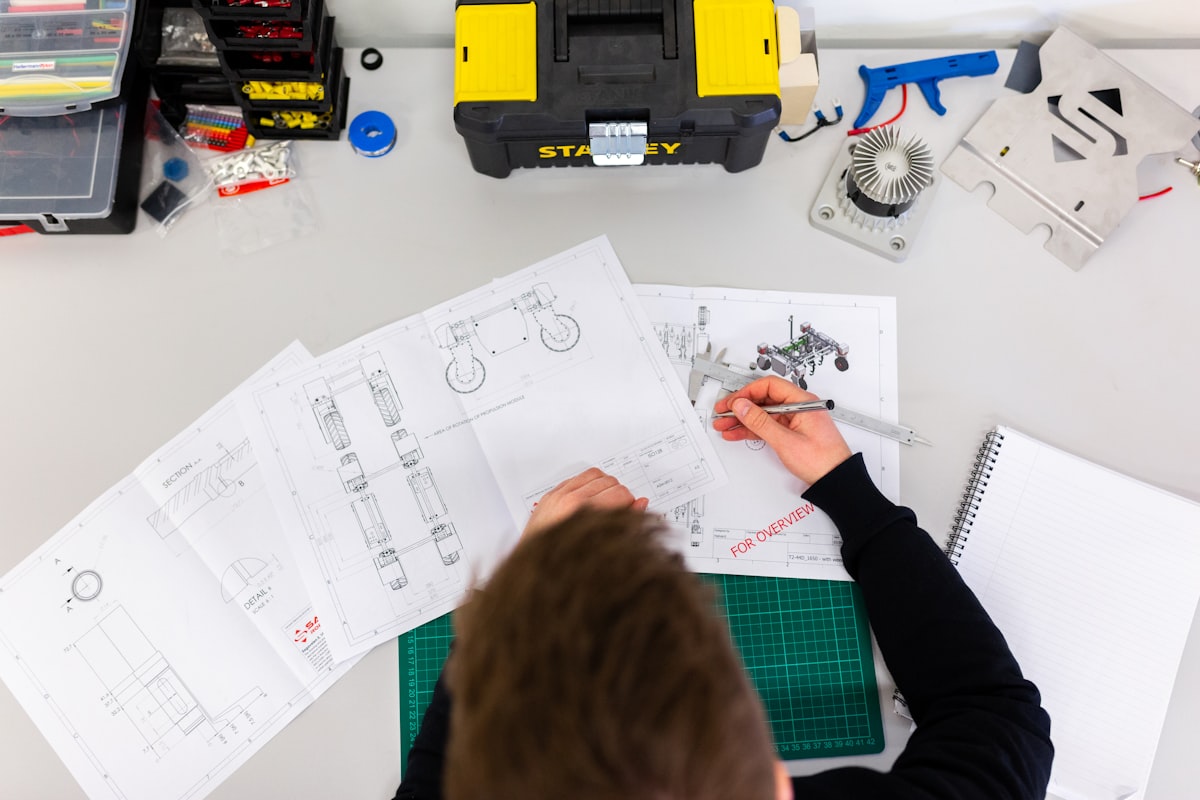
Half of 3D printing is printing a part, measuring it, and printing it again. The 150mm Digital Vernier Calipers are the tool that turns that loop from guesswork into engineering. They measure inside, outside, and depth to 0.01mm, switch between millimetres and inches, and cost about a tenner.
You will use them constantly: measuring a hole that came out 0.2mm too small, checking a replacement bearing diameter before you order it, or scaling a model to fit a part you already own. A printer makes plastic parts to a tolerance you can measure, and the moment you start measuring, your success rate jumps. This pair has an LCD screen, a locking screw, and a sturdy steel beam that stays accurate after being dropped on a workshop floor, which is the real test.
Estimated price: about £10-15 - Best for: Anyone who prints functional parts that have to actually fit something
Check Price on Amazon UK ->6. Best Upgraded Dryer - SUNLU Filament Dryer Box S2
If you plan to move past PLA into PETG, TPU, or nylon, the SUNLU Filament Dryer Box S2 is the upgrade that makes those materials printable. It reaches up to 70C, which covers the drying temperatures PETG and nylon need, and it circulates air around the spool instead of just heating it from below.
The S2 also doubles as a dry spool holder while printing, so the filament goes from the box straight into the extruder without touching damp air. It is the version we recommend once you have been printing for a few months, because that is when you will want to try tougher materials and the S1 will hit its temperature ceiling. If you know from day one that you will print functional parts in PETG, skip the S1 and buy this one.
Estimated price: about £40-50 - Best for: Printers who have graduated past PLA and want PETG, TPU or nylon to work first time
Check Price on Amazon UK ->How to Choose 3D Printer Accessories
Three questions decide what you actually need to buy, and the answers are simpler than the accessory aisles make them look.
What are you printing? If you print decorative models, a PEI plate and spare nozzles are the essentials. If you print functional parts that have to fit other objects, add calipers to that list. If you print anything at all in the UK, a filament dryer earns its money within a month.
Which printer do you own? The Ender 3 family and most budget machines use MK8 nozzles and 235x235mm beds, which is why the picks here fit so widely. If you own a Bambu Lab A1, its hotend takes a completely different nozzle, so check the size before you buy any spares.
What is your budget? The whole list comes to under £100 and lasts years. The dryer and the PEI plate do the heavy lifting, the nozzles are insurance, and the calipers and filament are consumables you will reorder anyway. Do not buy an enclosure, a second extruder, or a filament runout sensor until the basics are in place, because beginners break more prints with unmanaged expectations than with missing hardware.
Frequently Asked Questions
Final Verdict
If you are starting out, buy the SUNLU Filament Dryer S1 and the PEI build plate together. Those two solve the stringing and adhesion problems that make beginners give up, and they cost less than one failed weekend of wasted filament.
Add the Creality nozzle kit, eSUN PLA+, and digital calipers and you have everything a beginner printer needs for the first year. When you outgrow PLA, the SUNLU S2 is the natural next step. Spend the £38 once, and the printer stops being a project and starts being a tool.
For the full picture on which machine to pair these with, read our best 3D printers for beginners UK 2026 guide, which covers six machines from the Creality Ender-3 V3 SE to the ELEGOO Neptune 4.
Alex Chen writes about tools, tech and DIY projects for MakerUK — from home servers to 3D printing.
As an Amazon Associate we earn from qualifying purchases.
Last reviewed: August 10, 2026 · Evidence-based content · Contains affiliate links