🔧 Product Review
Best Milwaukee Power Tools for Mechanics
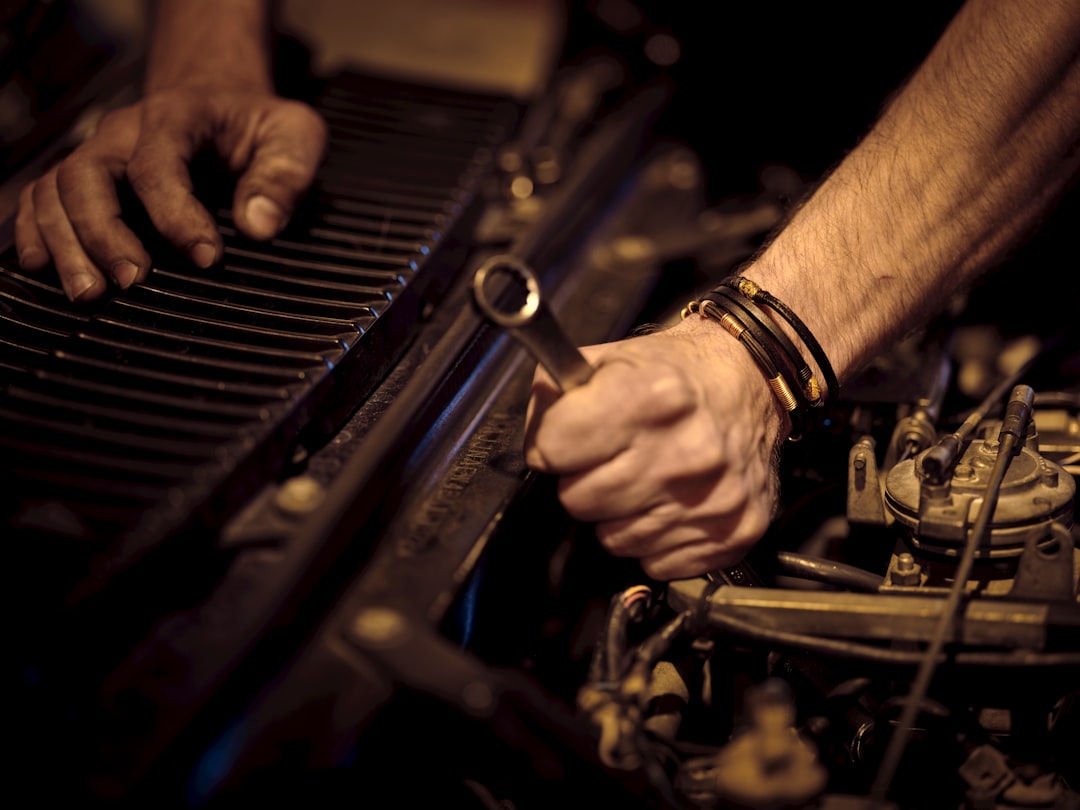
Milwaukee built its name in the trade, and the tools that earn it are the ones a mechanic actually reaches for. We compared six Milwaukee tools that make sense for UK car and motorcycle work, from the M12 ratchets that live inside an engine bay to the M18 drills and cobalt bits that handle the heavier jobs.
Key Takeaways
- The Milwaukee M12 FUEL Ratchet is the Milwaukee tool most mechanics use most, with 55 ft-lbs of torque in a head slim enough for an engine bay
- For transverse engines and bulkhead fittings, the extended reach ratchet reaches fasteners a standard ratchet cannot get near
- The M18 brushless impact driver covers repetitive fastening, while an impact wrench takes on anything rusted solid
- Milwaukee bare tools do not include batteries, so pick a platform first (M12 for access, M18 for power) and buy into it before adding tools
- A cobalt drill bit set such as the 25 piece Red Cobalt set matters more than the drill when you are removing snapped bolts
Suggested reading: Best cordless impact wrenches | Best socket sets
Quick Picks
Best Overall
Milwaukee M12 FUEL RatchetBest for Access
Milwaukee M12 Extended Reach RatchetBest for Power
Milwaukee M18 Impact DriverBest Value Add-on
Milwaukee Red Cobalt Bit SetQuick Comparison
| Product | System | Type | Torque | Best For |
|---|---|---|---|---|
| Milwaukee M12 FUEL Ratchet | 12V M12 | 3/8 inch ratchet | 55 ft-lbs | Everyday engine work |
| Milwaukee M12 Extended Reach Ratchet | 12V M12 | 3/8 inch extended ratchet | 55 ft-lbs | Reaching buried fasteners |
| Milwaukee M18 Impact Driver | 18V M18 | 1/4 inch hex impact driver | - | Repetitive fastening |
| Milwaukee M12 Subcompact Drill | 12V M12 | Compact brushless drill | - | Access-limited drilling |
| Milwaukee M18 Hammer Drill | 18V M18 | Combination hammer drill | 102 Nm | Heavier drilling and fixing |
| Milwaukee Red Cobalt Bit Set | Accessory | Cobalt drill bit set | - | Drilling metal and stainless |
In-Depth Reviews
1. Milwaukee M12 FUEL 3/8 inch Ratchet (Bare Tool)
12V M12 | 3/8 inch drive | 55 ft-lbs | brushless | bare tool
This is the Milwaukee tool most mechanics reach for first. A cordless ratchet takes the wrist work out of running down long bolt threads, and the M12 FUEL version puts 55 ft-lbs of torque into a head slim enough to slide between an engine block and a bulkhead. The brushless motor runs cooler than the older brushed M12 ratchets, and the compact head keeps its usefulness in places where a 1/2 inch impact gun simply will not fit.
Because it runs on the 12V M12 platform, it shares batteries with the compact drills and inspection lights in the same range, so your tool bag stays light. Bare tool pricing makes sense if you already own M12 batteries. If you don't, budget for a battery and charger, or buy a kit instead. The 3/8 inch drive matches the most common socket size for engine, brake and suspension work, and pairs neatly with a proper socket set.
Pros
- 55 ft-lbs in a slim head
- Brushless motor runs cooler
- Shares M12 batteries with compact drills
Cons
- Bare tool, batteries sold separately
- Not a substitute for an impact wrench on seized fixings
2. Milwaukee M12 FUEL 3/8 inch Extended Reach Ratchet (Bare Tool)
12V M12 | 3/8 inch drive | 55 ft-lbs | extended neck | bare tool
The extended reach version does the same job as the standard ratchet with a longer neck, and that extra length is the difference between a bolt coming out and a bolt staying put. On transverse engines, bulkhead fittings and anything buried behind a wheel arch liner, the longer body reaches where a standard ratchet needs a wobble bar and luck.
Torque is the same 55 ft-lbs as the short version, so treat this as a reach tool rather than a muscle tool. If you work on modern front wheel drive cars regularly, it earns its place. It also suits interior and under-dash work, where a standard ratchet plus an extension bar would foul on trim panels.
Pros
- Reaches fasteners a standard ratchet cannot
- Same 55 ft-lbs rating as the short version
- Slim head for confined spaces
Cons
- Longer body is awkward in open areas
- Bare tool only, no battery included
3. Milwaukee M18 Impact Driver
18V M18 | 1/4 inch hex | brushless | bare tool
An impact driver does the fastening work a drill shouldn't: long runs of bolts, undertray fixings and screws that have corroded in place. Putting that into Milwaukee's 18V platform is where the real power sits. It takes standard 25mm and 50mm hex shank bits, so consumables stay cheap and you are not locked into one brand of accessory.
For a mechanic, the appeal is speed and control. Impact drivers use rotational impacts rather than raw torque, which means less cam-out on cross-head fixings and less strain on your wrist across a full day. Pair it with the drills below and most jobs never need a hand tool. For anything rusted solid, step up to a dedicated impact wrench, because a hex chuck is not built for socket work.
Pros
- 1/4 inch hex takes cheap, standard bits
- Brushless M18 power
- Faster than a drill on repetitive fixings
Cons
- Bare tool, battery not included
- Not a replacement for an impact wrench on rusted bolts
4. Milwaukee M12 Subcompact Brushless Drill
12V M12 | brushless | compact body | bare tool
The M12 subcompact drill is the one that fits where a full size 18V drill will not: under a dashboard, behind a footwell panel, or into a battery tray with no clearance. A brushless motor keeps the body short and the runtime respectable for its size, which matters when you are working one handed and upside down.
It will not drive a 10mm masonry bit through a wall, and that is not the point. For pilot holes, trim fixings, interior screws and the small diameter work that fills a mechanic's day, the compact body beats raw power. If you want the same idea with more punch, our 12V cordless drill roundup covers the alternatives.
Pros
- Very compact for tight access
- Brushless motor
- Light enough to leave in a door pocket
Cons
- 12V power limits it to light drilling
- Bare tool, no battery included
5. Milwaukee M18 Cordless Hammer Drill
18V M18 | 102 Nm | brushless | hammer action
When a job needs a hole in metal, concrete or a tough alloy bracket, the M18 hammer drill gets it done without the bit wandering. It produces around 102 Nm of torque from a brushless motor, and the hammer action covers masonry as well as straight drilling and screwdriving.
It is a workshop drill as much as a car tool: drilling out a snapped bolt, opening up a bracket, fixing bench equipment down. It runs on the same M18 batteries as the impact driver above, so buying both means carrying one charger and one set of spares.
Pros
- 102 Nm brushless motor
- Hammer action for masonry
- Shares M18 batteries with the impact driver
Cons
- Heavier than the M12 for tight access
- More drill than interior trim work needs
6. Milwaukee HSS-G Red Cobalt Drill Bit Set, 25 Piece
HSS-G cobalt | 1-13mm | 25 pieces | indexed case
A drill is only as good as the bit in the chuck, and this is where cheap sets let you down. The Red Cobalt set runs from 1mm to 13mm in half millimetre steps, so you always have the right pilot size for a snapped stud or a bracket hole without guessing.
Cobalt steel keeps its edge in stainless and hardened steel far longer than standard HSS, and the split point helps the bit start without walking across the surface. If you drill out bolts regularly, a proper set is cheaper than replacing a burnt bit every month. Sharpened occasionally, it lasts years.
Pros
- 25 sizes from 1mm to 13mm
- Cobalt steel suits stainless and hardened fixings
- Indexed case keeps sizes findable
Cons
- Not for masonry, use masonry or SDS bits
- Cobalt is more brittle than HSS, so go steady with a hand drill
How to Choose Milwaukee Tools for Mechanic Work
Milwaukee makes tools for every trade, so the real question is which handful suit car and motorcycle work. Here is what actually matters before you spend anything.
Pick the battery platform first. Everything else follows from this decision. M12 is the 12V range, built for ratchets, compact drills and lights where size wins. M18 is the 18V range, where impact drivers, hammer drills and impact wrenches get their torque. Batteries do not cross between the two, so buying into one platform commits you to it. A mechanic who works in tight engine bays all day gets more value from M12. Anyone doing heavier work wants M18.
Understand bare tool pricing. Most of the tools here are sold as bare tools, which means no battery and no charger. That is good value once you own batteries, and poor value when you do not. Check the listing carefully, because a bare tool and a full kit can look almost identical in a search result and differ by a lot in price.
Ratchet or impact wrench? They solve different problems. A ratchet runs fasteners up and down quickly and gives you control, which suits assembly and light disassembly. An impact wrench breaks rusted, seized or over-torqued fasteners loose, and it is the tool you want for suspension and hub work. Most garages end up with both, and our impact wrench roundup covers the options if you are starting there.
Budget for bits and sockets. A premium drill with a tired bit set is a slow drill. Cobalt bits for metal, a proper socket set with deep and shallow options, and a torque wrench for anything safety critical will do more for your work than an extra tool in the box.
Start with one tool, not five. Buy the one that unblocks the job in front of you, plus a battery and charger. Add bare tools as the work demands them. If you are just getting set up for home maintenance generally, our essential car accessories guide covers the cheaper kit worth having first.
Frequently Asked Questions
Final Verdict
For most mechanics working on their own cars, the Milwaukee M12 FUEL 3/8 inch ratchet is the tool to buy first. It removes the slowest part of most jobs, it shares batteries with the compact side of the M12 range, and it fits in places a bigger tool never will. If your engine bay is packed tight, the extended reach version is worth the extra.
Beyond that, the M18 brushless impact driver and the M18 hammer drill cover the fastening and drilling work that a ratchet cannot, and both run on the same 18V batteries. Finish the setup with the Red Cobalt 25 piece bit set, because good bits are what stop a cheap drill job turning into a snapped stud.
Buy into one platform slowly, add bare tools as the work justifies them, and the Milwaukee kit you end up with will outlast three sets of budget tools.
Last reviewed: September 15, 2026 | Evidence-based review | Contains affiliate links