How to Drill Into Brick: Tools, Bits and Technique
- You need a hammer action and a masonry bit. A combi drill like the DeWalt DCD778S2T plus carbide-tipped masonry bits is all most UK walls need.
- Match the bit to the plug, not the screw. A brown 7mm plug wants a 7mm bit, and the Fischer DuoPower universal range covers every wall type.
- Start slow with a punch mark. Tap a centre punch indent first so the bit doesn't skate across the brick face.
- Steady pressure, not force. Push hard enough to keep the bit cutting and let the hammer action do the work, or the carbide tip dulls and jams.
- For concrete and engineering brick, go SDS. A rotary hammer like the Bosch GBH 18V-26 F drills three times faster with far less effort.
Suggested reading: Best Cordless Drills UK · Best Drill Bit Sets UK · Best Battery Hammer Drills UK
Drilling into brick is one of those jobs that looks simple until the bit skates sideways across the wall, the tip goes dull, and you're left with a ragged hole and a snapped bit. I've drilled thousands of holes in brick, block, and concrete over ten years as a carpenter, and the difference between an easy job and a nightmare comes down to three things: the right drill, the right bit, and a technique that doesn't fight the wall.
Most UK homes are brick or block with a skim of plaster, and almost every fixing you'll ever hang, from shelves to TV brackets, starts with a masonry hole. The good news is you don't need a specialist tool collection. A decent 18V combi drill, a small set of masonry bits, and a few minutes of practice will cover 95% of the holes a home ever needs.
Start with a drill that has hammer action
The hammer action is what makes drilling into masonry possible. As the bit spins, the drill pounds it forward with thousands of tiny blows per minute, cracking the brick ahead of the carbide tip. Without it, the bit just rubs against the surface and goes nowhere useful.
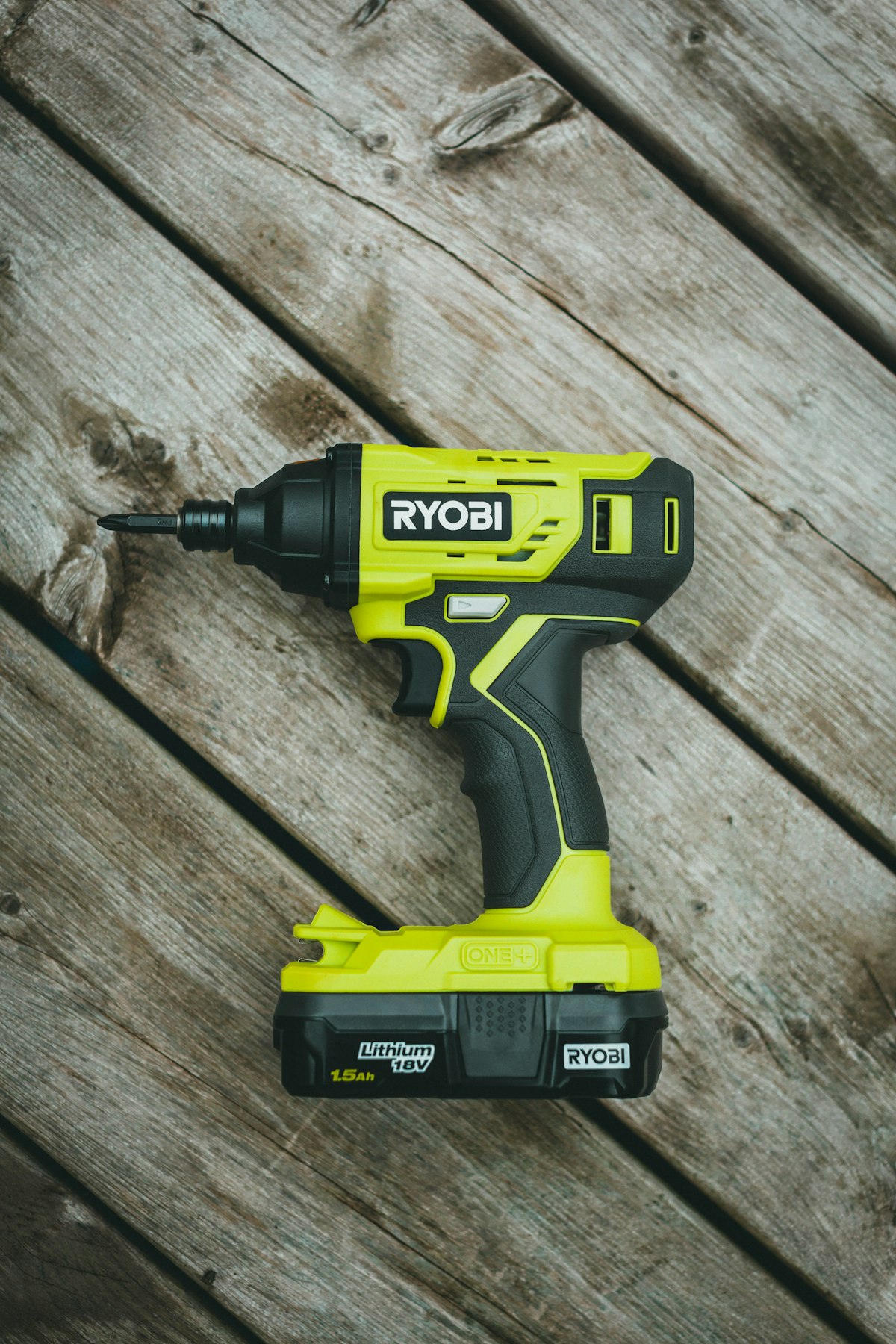
Most 18V combi drills sold in the UK include a hammer mode as standard, so you probably already own the right tool. The DeWalt DCD778S2T and the Bosch Professional GSB 18V-55 both handle ordinary brick and block with ease, and the Einhell TE-CD 18/40 proves a budget drill can do it too. If you only ever drill a few holes a year, a combi drill is all you need.
The exception is concrete, engineering brick, and anything you need to drill often. That's SDS rotary hammer territory. The Bosch GBH 18V-26 F punches through concrete in a fraction of the time a combi drill manages, because SDS bits hammer with far more force and the chuck lets the bit slide slightly on each blow instead of transmitting every shock to your wrists. If you've ever spent ten minutes fighting a single hole in a concrete lintel, you'll understand why SDS exists.
Masonry bits: the detail everyone skips
Standard HSS twist bits are for wood and metal. Put one against brick and the edge blunts in seconds, leaving you pushing harder and harder while the hole barely deepens. Masonry bits have a carbide tip, a wider flute for clearing dust, and a shape designed to pound through aggregate.
For a combi drill, buy a set that covers 3mm up to 10mm, which is the range wall plugs actually use. The 10-piece masonry bit set covers every common plug size and costs less than a single replacement bit at a hardware shop. The Bosch 25-piece HSS set covers the wood and metal side of the drawer.
If you own an SDS rotary hammer, you need SDS Plus bits rather than round-shank ones. The Bosch 6-piece SDS Plus set slots straight into the GBH chuck and includes the 5mm to 10mm sizes you'll reach for most.
One honest warning: cheap masonry bits work for a few holes and then die. Carbide tips are brittle, and a bit that overheats or jams loses its edge fast. If a bit stops cutting cleanly, replace it rather than forcing it, because a dull bit is exactly what causes cracked plaster and snapped steel.
The technique: mark, punch, drill, clear
Here's the process I use for every fixing, and it takes less time to do than to read:
- Mark the spot. Use a pencil cross, not a dot, so you can see exactly where the bit needs to land.
- Punch a starter indent. An Eclipse automatic centre punch tapped against the wall gives the bit a small crater to bite into. This stops the skating that scratches plaster and walks the hole off its mark.
- Start on hammer mode at low speed. Hold the drill square to the wall and apply firm, steady pressure. Let the hammer action cut, don't lean your whole weight on it.
- Clear the dust. Every few seconds, pull the bit out while it's still spinning to let the dust fall. Brick dust packs into the flutes and jams the bit.
- Drill deeper than the plug. Aim for the plug length plus a few millimetres, so the plug sits flush, not proud of the wall.
Pressure is the part most people get wrong. Too little and the bit just rattles in place. Too much and you overload the tip, which dulls it and makes the bit grab and jerk. You want enough force to keep the carbide in contact with fresh material, nothing more. The JSP FFP3 dust mask is worth wearing too, because brick dust is fine, sharp, and easy to breathe, especially in a small room.
Plugs: match the bit to the plug, not the screw
The classic mistake is buying a plug and guessing the hole size from the screw. The right way is backwards: the plug packet tells you exactly which bit to use, and you choose the plug to match the screw and the wall.
For solid brick, a standard nylon plug works. For plasterboard, hollow block, or anything uncertain, a universal plug is a better bet. The Fischer DuoPower range expands, folds, and knots depending on the material it's installed in, so one box covers brick, block, plasterboard, and hollow walls. It's the plug I keep in my own tool bag.
The golden rule: a brown 7mm plug takes a 7mm bit and a 4.5 to 5mm screw. A red 5mm plug takes a 5mm bit and a 3.5 to 4mm screw. Follow the sizes on the packet, drill to the plug length, tap the plug in until it's flush, and drive the screw with the clutch set low so you don't strip the plug.
When it goes wrong: what the symptoms mean
- Bit skates across the wall. No starter punch, or you're drilling into a hard aggregate spot. Punch again and restart at low speed.
- Smoke or a burning smell. You're drilling too fast or the bit is dull. Back off the speed, ease the pressure, and if the bit is hot, let it cool before touching it.
- Bit jams and the drill twists. You hit a hard patch or the flutes are packed with dust. Stop, reverse the drill to back the bit out, clear the dust, and resume gently.
- Cracked plaster around the hole. The bit walked or you used a blunt bit that punched through instead of cutting. Patch with filler, and next time use a sharper bit and the punch-and-drill method.
- Plaster falls away behind the brick. You've hit a hollow section or old lime plaster. Use a universal plug that expands, or move the fixing a few centimetres.
Products mentioned in this guide
- DeWalt DCD778S2T 18V XR Brushless Hammer Drill - the best complete kit for UK DIYers, two batteries plus charger
- Bosch Professional GSB 18V-55 Combi Drill - 55Nm of torque, pro build quality
- Einhell TE-CD 18/40 Combi Drill - the budget option that still handles brick
- Bosch GBH 18V-26 F SDS Rotary Hammer - the serious concrete and engineering brick tool
- 10-Piece Masonry Drill Bit Set - covers every common plug size for a combi drill
- Bosch 6-Piece SDS Plus Drill Bit Set - the bits for an SDS rotary hammer
- Fischer DuoPower Wall Plugs - universal plugs that work in brick, block and plasterboard
- JSP M632 FFP3 Valved Dust Mask - keep fine brick dust out of your lungs
Also read: Best Cordless Drills UK 2026, Best Drill Bit Sets UK and Best Battery Hammer Drills UK
Frequently Asked Questions
The Bottom Line
Drilling into brick is a simple job once you have three things in place: a drill with hammer action, a set of carbide-tipped masonry bits, and the discipline to punch a starter mark and drill with steady pressure. That combination will hang shelves, brackets, and fittings for years without a single cracked wall.
For most people the right tool is an 18V combi drill like the DeWalt DCD778S2T, a 10-piece masonry bit set, and a box of Fischer DuoPower plugs. If concrete and engineering brick are regular jobs, the Bosch GBH 18V-26 F will save you hours and a lot of frustration. Buy the right bits, mark your spot, and let the hammer do the work.

James Walker writes about power tools, hand tools and workshop setup for MakerUK.
As an Amazon Associate we earn from qualifying purchases.
Last reviewed: August 5, 2026 · Evidence-based content · Contains affiliate links